2025 Recap: Biggest Sports Marketing Moves of the Year
Updated: Dec 4, 2025
From Neeraj Chopra’s gold-winning javelin throw at Czechia to India lifting the Women’s ICC World Cup, 2025 surprised us with historic wins and unforgettable moments. Yet behind the medals and the roar of stadiums, something equally exciting was happening: sports marketing was finding new ways to tell stories, connect with fans, and create moments that go beyond the scoreboard.
The global sports industry reached about $417 billion in 2025, showing that sport is bigger than ever—and brands are noticing. But what makes a sports campaign memorable today? It is not just the logo on a jersey or a billboard outside the stadium. It is the story, the connection, and the way it makes fans feel part of the journey.
Here are 10 sports marketing moves from 2025 that set new standards—five from around the world, and five from India.
1. adidas – “You Got This”
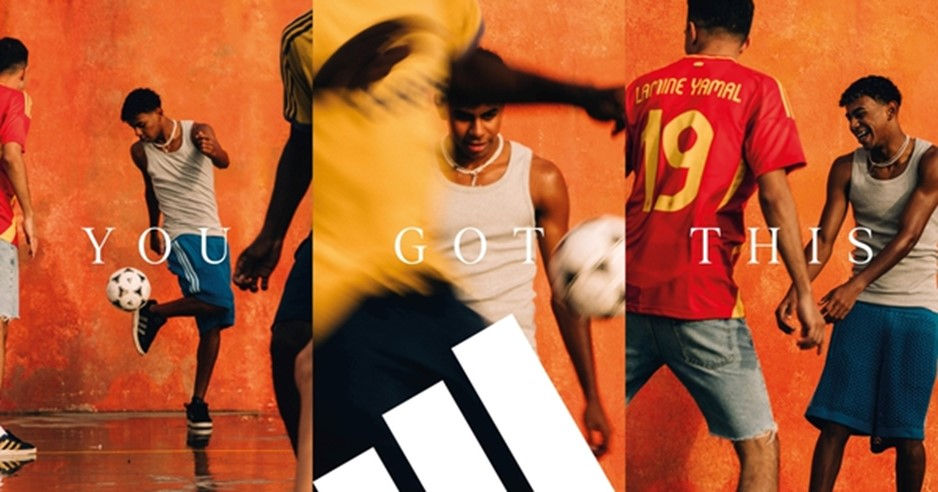
Launched early 2025, Adidas's “You Got This” focuses on the softer side of sport—the pressures and support within the athlete’s ecosystem. Research showed 4 in 5 grassroots athletes experience unhelpful sideline behavior, so Adidas spotlighted positive influence from coaches and peers alongside elite athletes like Aitana Bonmatí. The campaign spans digital, retail, and out-of-home activations, emphasizing belief and inclusion over product selling.
Why it works: It builds emotional connections by acknowledging sport as a shared experience beyond just elite performance.
Marketer takeaway: Craft narratives that highlight support networks and mindset to resonate deeply with all sport enthusiasts, building inclusive brand loyalty.
2. Major League Baseball (MLB) – “Heroes of the Game”

MLB’s “Heroes of the Game” campaign reimagines star players as anime characters, leveraging short-form videos and high-profile digital out-of-home placements in hotspots like Tokyo’s Shibuya and New York’s Times Square. Top players like Shohei Ohtani are brought to life through culturally relevant anime storytelling, engaging global youth by melding sport with pop culture trends
Why it works: The campaign expands MLB’s audience beyond traditional fans, leveraging cultural remixing and global urban environments to create a fresh emotional appeal.
Marketer takeaway: Tapping into adjacent cultural trends like anime or gaming not only revitalizes sport marketing but also invites new audiences into the fold, expanding brand relevance and fandom worldwide.
3. Nike – “Why Do It?”
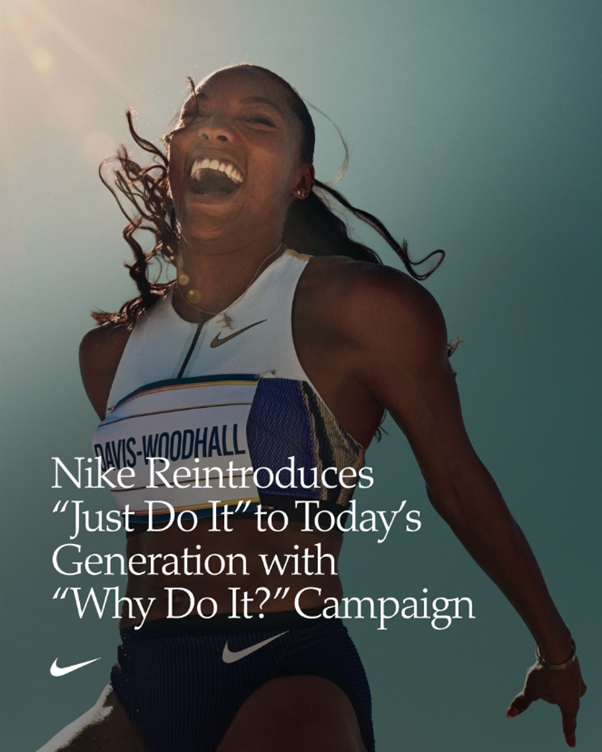
Nike’s 2025 campaign flips the narrative of greatness by framing it as a personal choice rather than just elite achievement. Aimed at younger and more diverse audiences, “Why Do It?” champions individuality and inclusive sport participation, emphasizing mindset over medal count.
This campaign comes as Nike works to rediscover its mojo amid significant headwinds. Especially at a time where Nike is working to realign its brand around sports and sports culture, pivoting from a failed direct-to-consumer strategy back to wholesale partnerships and sport-specific marketing.
Why it works: This approach resonates with a wide spectrum of sport participants who crave authenticity and connection, not just aspirational celebrity.
Marketer takeaway: Repositioning sport to include all forms of engagement—from casual runners to competitive athletes—widens addressable markets and deepens emotional brand affinity.
4. PayPal Teaming Up with Liverpool FC

PayPal became Liverpool FC’s official digital‑payments partner, marking its first deal with an English Premier League club. As part of the multi‑year agreement, PayPal is now the preferred payment method across Liverpool’s platforms, and launched a fan‑loyalty program called PayPal+ giving supporters reward points for match‑day purchases and merchandise.
Why it works: This isn’t just logo placement — it integrates convenience, loyalty and commerce into the fan journey, adding real value rather than just brand visibility.
This partnership mirrors the strategic approach taken by India's homegrown digital payment system RuPay in the Indian Premier League. RuPay secured IPL sponsorship with a three-year deal worth Rs 210 crore, positioning itself as an official partner to reach cricket's massive fanbase.
Both partnerships follow the same playbook: digital payment providers aligning with marquee sports properties to drive adoption, create transactional touchpoints during high-engagement moments, and build loyalty through rewards programs
Marketer takeaway: Sponsorships that embed themselves into fan interactions (payments, rewards, merchandise) can deepen engagement, build loyalty and offer measurable ROI rather than stand-alone visibility.
5. LVMH + Formula 1: Luxury Meets Speed in a Global 10‑Year Partnership

Starting in 2025, LVMH became a global partner of Formula 1. The agreement brings together F1’s high-performance, high-speed spectacle with LVMH’s heritage of craftsmanship, luxury and lifestyle — blending sport with experiential luxury, exclusive activations, and content.
Why it works: It transforms motorsport from pure competition to a luxury lifestyle experience appealing to affluent, globally minded audiences who seek both entertainment and status.
Marketer takeaway: Aligning with a sport whose values mirror your brand (prestige, performance, excellence) can elevate brand positioning, reach new high-value audiences, and redefine how sponsorship works — from visibility to experience.
6. Athlete-Led Storytelling Shift
The sports marketing world is moving beyond logos and sponsorship badges to giving athletes the narrative voice. Campaigns now focus on behind-the-scenes stories shared authentically through reels, stories, and micro-videos, creating emotional and relatable connections. A prime example is MuscleBlaze’s ‘India’s Strongest Unknowns’, a long-form content series spotlighting lesser-known Indian athletes.
Conceived by Tonic Worldwide, the series adopts a documentary-style approach to showcase the discipline, sacrifice, and dedication behind high performance—positioning MuscleBlaze as a genuine supporter of athletes’ journeys.
Why it works: Fans connect more deeply with brands that highlight the human side of athletes—the struggles, triumphs, and personality—rather than just visible sponsorships.
Marketer takeaway: Invest in immersive, athlete-led storytelling that builds trust and ongoing fan engagement, rather than relying on static visibility alone.
7. IPL Sponsorship by Campa Cola
Reliance’s Campa Cola signed a Rs 200 crore deal as IPL 2025 co-presenting sponsor, challenging global giants like Coca-Cola in India’s fiercely competitive beverage market. IPL remains a prime platform for mass brand visibility.
Why it works: IPL’s reach and passionate fanbase offer unmatched engagement opportunities for brands seeking expansive presence.
Marketer takeaway: Large-scale sporting events provide invaluable brand-building platforms, but success requires messaging that genuinely resonates with diverse cricket fan segments.
8. Localized Sports Activations That Go Beyond Sponsorship
A new wave of Indian brands is realizing that the most powerful sports marketing isn’t always national—it’s hyperlocal. Instead of relying solely on large event sponsorships, brands are creating region-specific fan experiences that tap into hometown pride and community-driven fandom.
One standout example from 2025 is Olio Pizza’s partnership with Rajasthan Royals, which saw the brand launch Olio Dugout—a Royals-themed café in Jaipur. This wasn’t just branding; it became a physical fan hub, complete with match-day menus, Royals décor, watch parties, and interactive fan elements. It rooted the brand directly in the culture and rhythm of Rajasthan cricket fandom. This trend extends across India as brands increasingly build on-ground activations, regional digital campaigns, and city-specific fan zones to resonate more authentically with local supporters.

Why it works: Localized activations tap into regional identity and loyalty that national campaigns often miss. Fans see the brand as part of their community, not just another name on a stadium board.
Marketer takeaway: Build simple, repeatable fan experiences in key cities when a brand feels rooted in one region, loyalty grows faster than any national push.
9. Culturally Aligned Moment Marketing in Women’s Cricket
After Jemimah Rodrigues’ semi-final heroics, her dirt-stained jersey went viral. Fans tagged Surf Excel, urging it to respond. The brand’s playful gesture sending empty Surf Excel bottles with a message telling her to frame the jersey instead of washing it showed how quick, culturally aware brands can win conversations without massive campaigns.
Why it works: Fast, culturally rooted reactions feel authentic and travel far on social media.

Marketer takeaway: Stay plugged into fan culture. Women’s sports create emotionally charged micro-moments—responding early and creatively helps brands build relevance without heavy spends.
10. Boost Backs India’s Rising Esports Scene
Boost partnered with WPP Media’s Team Fulcrum to back CEGC 2025, India’s first state-backed international esports tournament. By connecting a legacy performance brand with competitive gaming, Boost tapped into a digital culture that mirrors its values of endurance and determination.

Why it works: Esports offers massive digital reach, youthful audiences, and communities passionate about performance — a natural fit for Boost’s energy and endurance messaging.
Marketer takeaway: Early involvement in emerging sports like esports positions brands as forward-looking, builds first-mover advantage, and creates deep connections with digitally native, engaged audiences.
Conclusion
In 2025, sports marketing went beyond visibility to building real connections. Brands that stood out supported women’s sports early, tapped into local and digital fan communities, told authentic athlete stories, and blended sport with lifestyle and luxury experiences—from PayPal making Liverpool fan payments seamless to LVMH linking Formula 1 with luxury living, bold and diverse moves helped brands rise above the noise. Brands taking such smart, meaningful initiatives stay ahead—connecting deeply with fans through culture, technology, and emotion.
That’s where Zupotsu makes a difference. It’s a digital platform where brands can quickly find, connect, and activate with athletes, teams, and events tailored to their goals and audiences—all with transparent data and measurable impact. For brands ready to win in the fast-changing world of sports, Zupotsu is the key to making every connection count.
Zupotsu is a martech platform on a mission to ‘digitize’ sports marketing. Zupotsu enables the discovery, engagement, and evaluation (the ‘DEE’ framework) for every sports and esports marketing asset. Please sign up at www.zupotsu.com. Follow us on LinkedIn and Instagram. Reach out at ‘marketing@zupotsu.com’ for any queries.


Comments